VR Stories

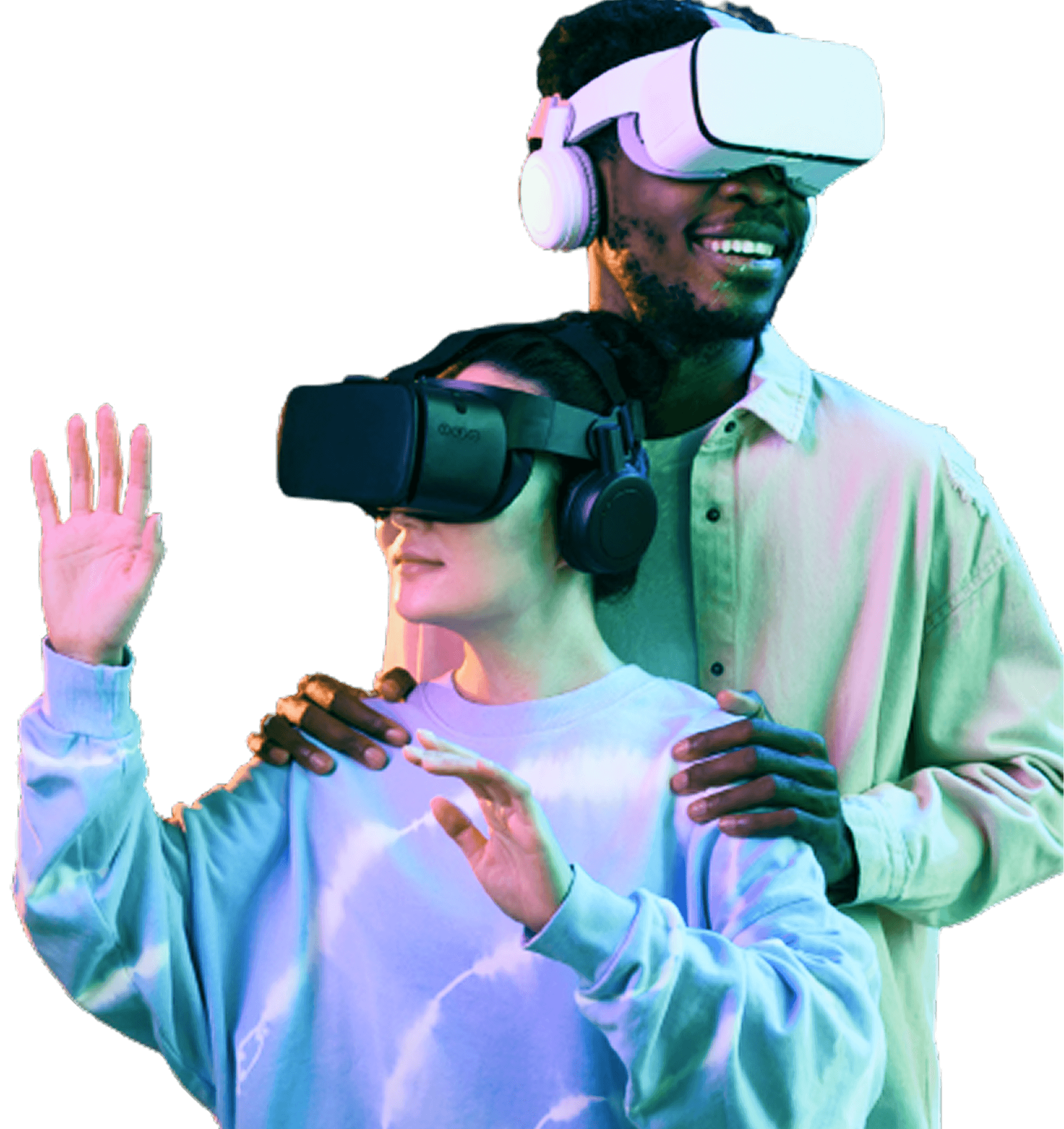
By combining the power of technology and imagination, Virtual Reality is redefining interaction, education, and entertainment—offering limitless opportunities to explore new realities.

Introduction:
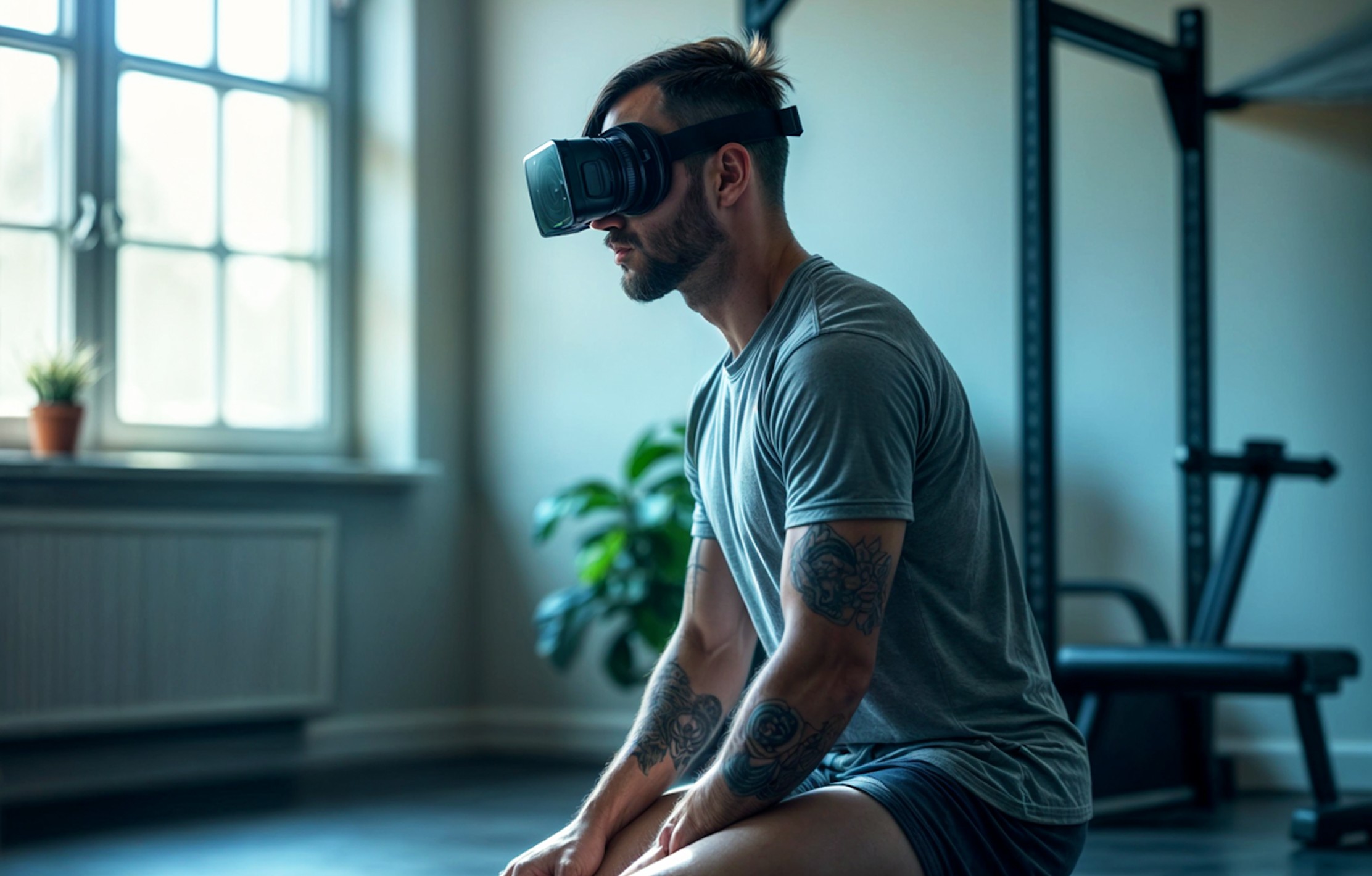
Virtual Reality (VR) is revolutionizing the digital era by merging technology and imagination. Once considered futuristic, it now offers users immersive 3D worlds to explore, create, and interact without physical boundaries. VR extends beyond entertainment — it’s redefining how we connect, learn, and experience the world.
The Evolution of VR
From early headsets to sophisticated, real-time simulations, VR’s evolution has been extraordinary. What began as experimental innovation has grown into a transformative tool across industries such as gaming, healthcare, and education. This remarkable journey reflects humanity’s drive to push the limits of creativity and technology.
“Great strategies are built on great research — and that’s where you come in.”
How Virtual Reality Works
At its core, motion sensors, and real-time feedback to simulate a lifelike environment. Headsets track head and body movements, while powerful software renders virtual spaces that respond instantly. This combination of hardware and software tricks the brain into believing you’re inside another world — creating a sense of “presence” that feels real.
Key Benefits:
Immersive Experience: Feel presence like never before through lifelike 3D worlds.
Limitless Learning: Experience education that’s interactive, engaging, and unforgettable.
reative Freedom: Turn imagination into reality inside virtual spaces.
The Impact of VR on Modern Life
VR is changing industries and daily life in ways we never imagined. Students can walk through ancient civilizations, doctors can perform virtual surgeries, and architects can explore buildings before they’re built. It enhances creativity, speeds up learning, and improves collaboration — making technology feel more human than ever.
"Virtual Reality is more than technology — it’s a new language of experience. Our mission is to make that language accessible to everyone, empowering people to learn, create, and connect beyond boundaries."
— Chris Walker, CEO & Co Founder, Vision360
Challenges and Future Possibilities
Despite its growth, VR still faces challenges like cost, accessibility, and motion discomfort. But the future
is bright — with wireless systems, lighter headsets, and AI-powered environments on the horizon. As technology advances, VR will become more immersive, inclusive, and essential in our everyday lives.
Conclusion
Virtual Reality isn’t just about escaping reality — it’s about expanding it. It opens doors to creativity, knowledge, and connection that were once impossible. As we move forward, VR will continue to
redefine how we experience the world, turning imagination into a new form of reality.

VR Footprint
Explore Our Global Presence