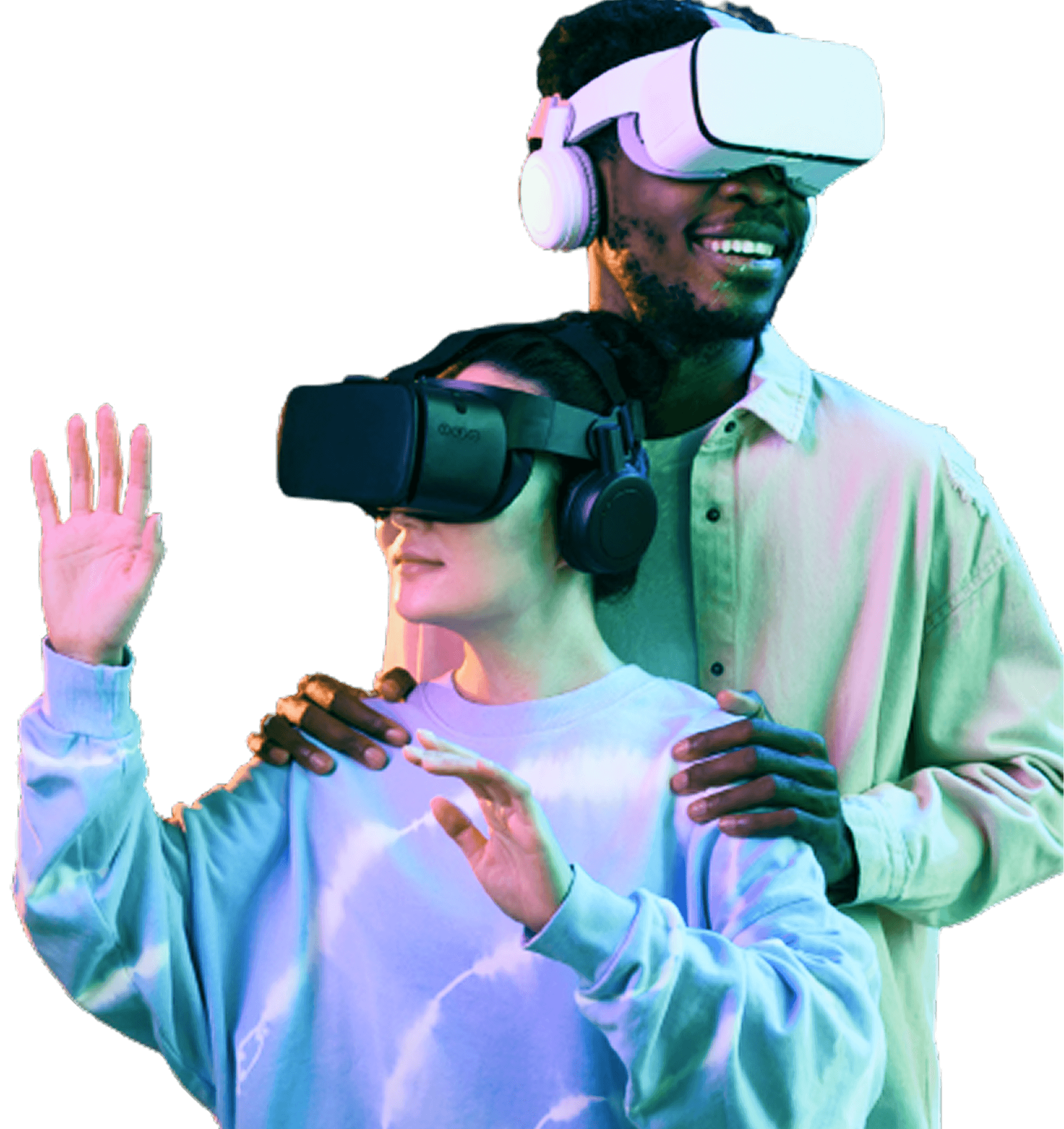
VR Gaming

Virtual Reality is changing the way we experience the world—blending digital innovation with creative expression to transport users into immersive, inspiring environments.

Introduction:
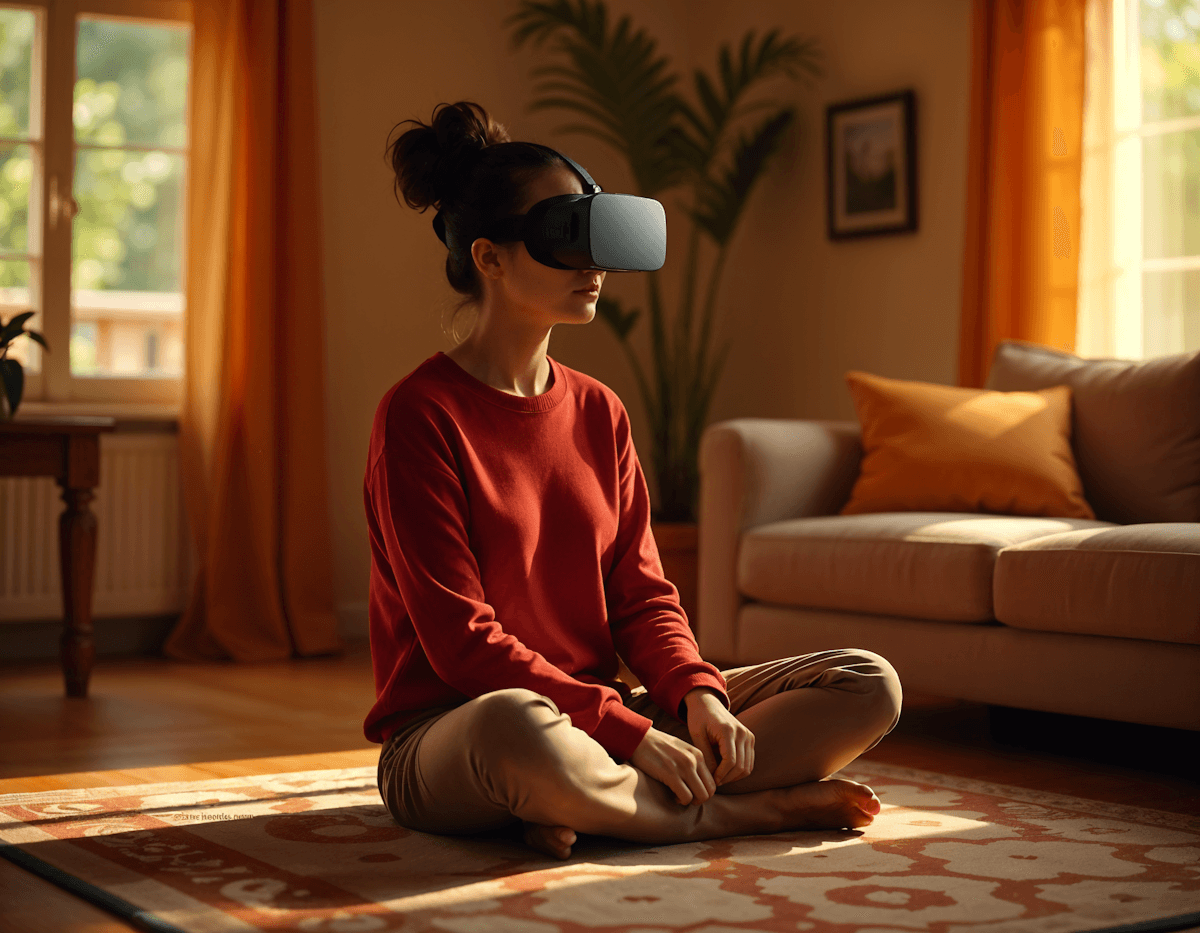
Virtual Reality (VR) is changing how we see and interact with the world. Once a technological fantasy, it now brings imagination to life in fully immersive, digital spaces. With VR, users can explore dynamic 3D worlds that blur the line between real and virtual. It’s more than innovation — it’s a new way of experiencing reality.
The Evolution of VR
VR’s development has been a journey from concept to creation. Starting as academic research decades ago, it has evolved into a vital part of entertainment, design, and education. Modern VR systems offer lifelike environments powered by advanced graphics and motion tracking — a testament to how far technology has come.
“Great strategies are built on great research — and that’s where you come in.”
How Virtual Reality Works
The magic of VR lies in its coordination of sensors, displays, and motion tracking. As users move, sensors detect every change and update the visuals instantly, while audio and haptic feedback enhance realism. This synchronization convinces the brain it’s existing within a virtual world rather than observing one.
Key Benefits:
Immersive Experience: Feel presence like never before through lifelike 3D worlds.
Limitless Learning: Experience education that’s interactive, engaging, and unforgettable.
reative Freedom: Turn imagination into reality inside virtual spaces.
The Impact of VR on Modern Life
VR is revolutionizing education, healthcare, and design. It allows students to explore complex subjects interactively, enables surgeons to train risk-free, and helps architects visualize projects in 3D. By combining immersion with innovation, VR makes digital experiences more human and meaningful.
"Virtual Reality is more than technology — it’s a new language of experience. Our mission is to make that language accessible to everyone, empowering people to learn, create, and connect beyond boundaries."
— Chris Walker, CEO & Co Founder, Vision360
Challenges and Future Possibilities
Although challenges like cost and motion discomfort persist, the horizon for VR is full of promise. New developments in portability, AI-driven environments, and intuitive controls are pushing the limits of what’s possible. The future of VR is not just immersive — it’s transformative.
Conclusion
Virtual Reality isn’t just about escaping reality — it’s about expanding it. It opens doors to creativity, knowledge, and connection that were once impossible. As we move forward, VR will continue to
redefine how we experience the world, turning imagination into a new form of reality.

VR Footprint
Explore Our Global Presence