Virtual Education

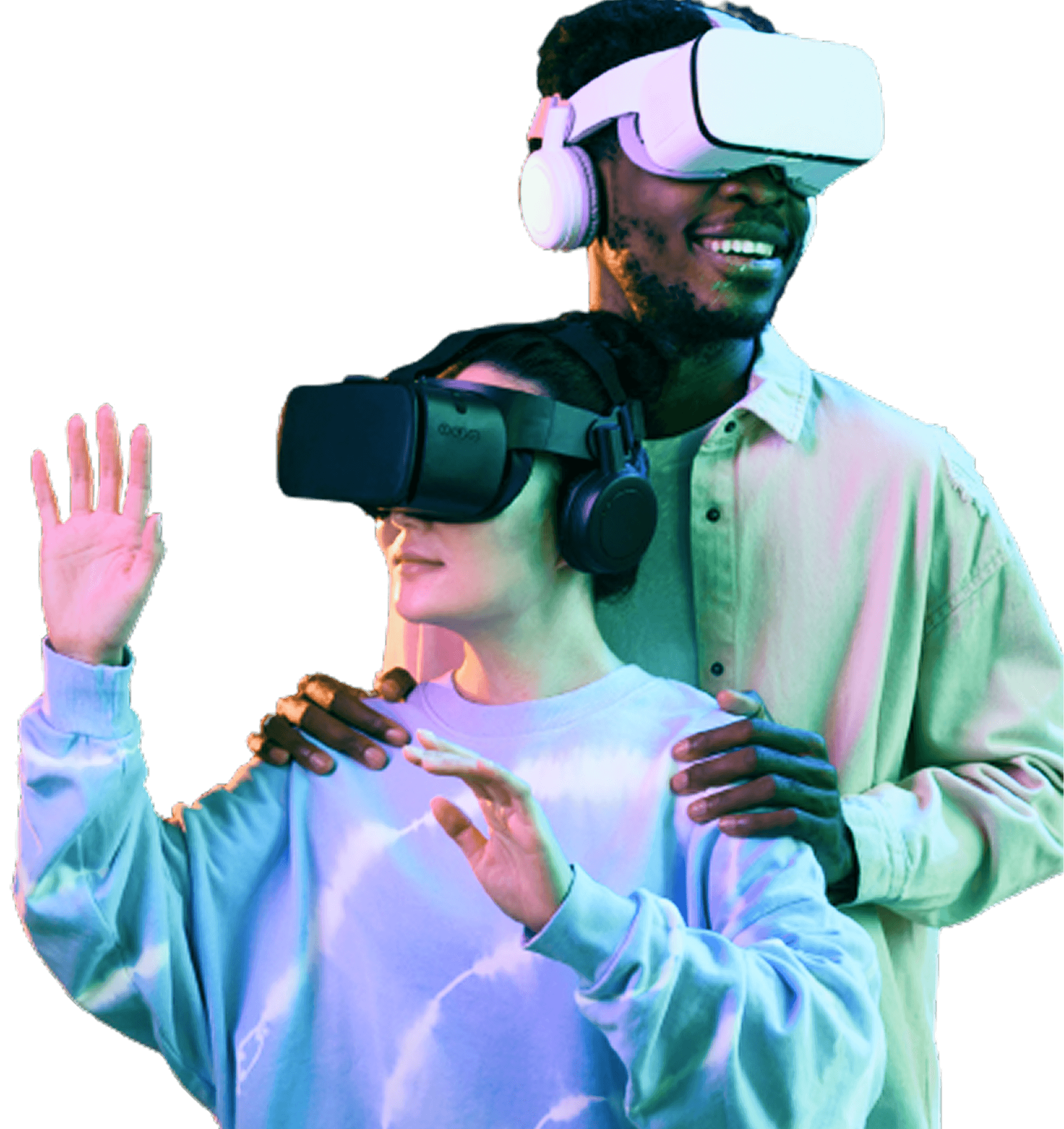
Through the fusion of creativity and advanced technology, Virtual Reality is reshaping how people experience learning, gaming, and communication—bringing lifelike worlds to life like never before.

Introduction:
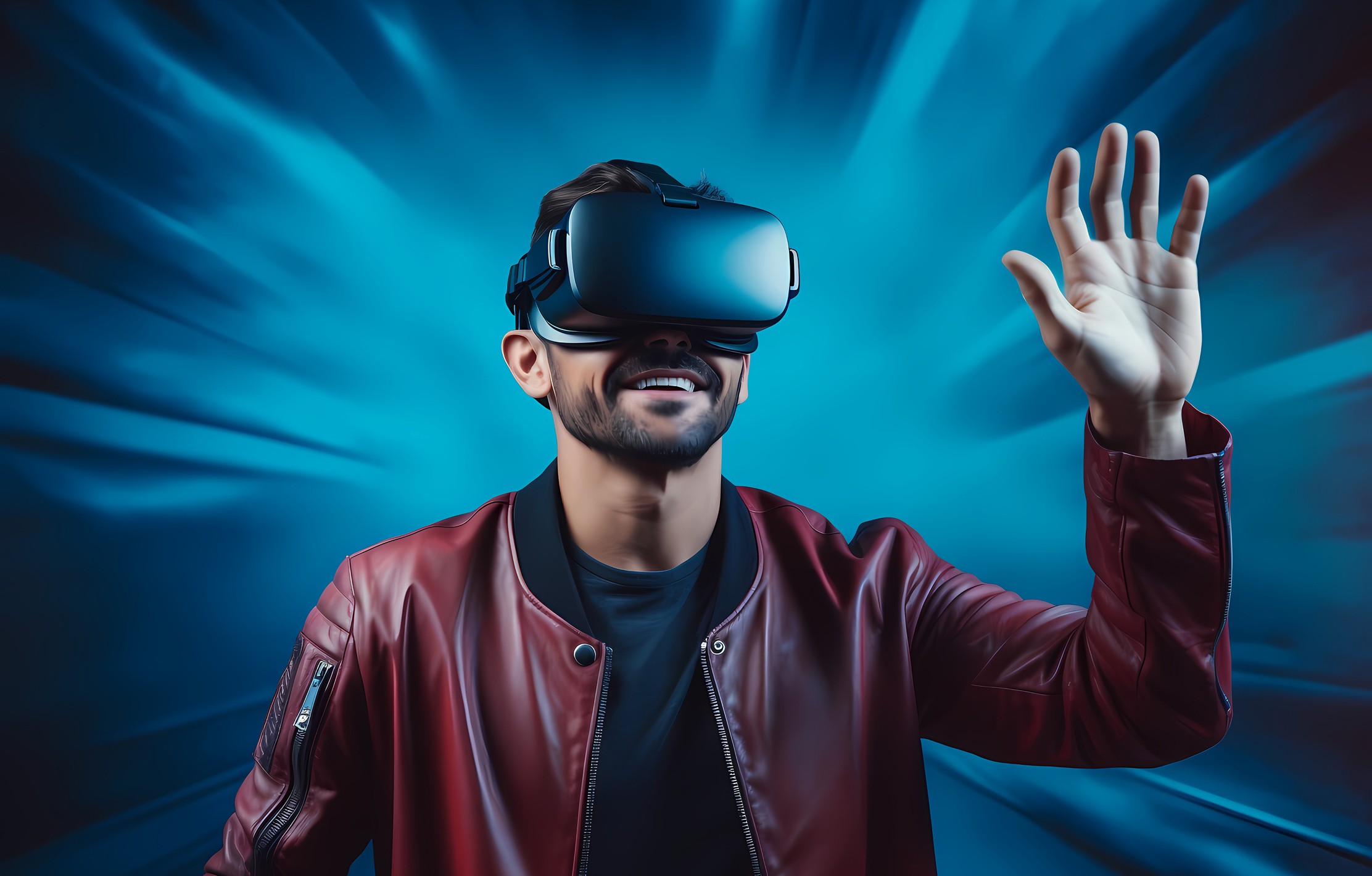
Virtual Reality (VR) is redefining our relationship with digital technology. What once seemed like a distant vision is now an interactive gateway between imagination and reality. VR enables users to step into immersive, responsive 3D environments to learn, play, and connect beyond physical space. It’s not only a tool for fun — it’s a medium for discovery.
The Evolution of VR
The story of VR is one of innovation and creativity in motion. From bulky prototypes in the 1990s to lightweight, high-definition systems today, VR’s evolution reflects rapid advancements in computing and design. Its applications now span gaming, education, art, and medicine — transforming industries and human experiences alike.
“Great strategies are built on great research — and that’s where you come in.”
How Virtual Reality Works
VR operates through a blend of motion-tracking sensors, responsive displays, and real-time computing. The headset captures every head tilt and gesture, while the system renders matching visuals and sounds instantly. This coordination between perception and response creates an immersive illusion that feels naturally real.
Key Benefits:
Immersive Experience: Feel presence like never before through lifelike 3D worlds.
Limitless Learning: Experience education that’s interactive, engaging, and unforgettable.
reative Freedom: Turn imagination into reality inside virtual spaces.
The Impact of VR on Modern Life
VR’s influence spans entertainment, education, and professional development. Students can travel to distant planets, artists can sculpt in digital 3D space, and trainers can simulate real-world challenges. It inspires creativity, enhances learning, and transforms how people experience information.
"Virtual Reality is more than technology — it’s a new language of experience. Our mission is to make that language accessible to everyone, empowering people to learn, create, and connect beyond boundaries."
— Chris Walker, CEO & Co Founder, Vision360
Challenges and Future Possibilities
Despite rapid innovation, VR still faces hurdles like high prices, limited mobility, and physical discomfort. Yet progress in lightweight optics, improved ergonomics, and AI integration points toward a more accessible and lifelike future. Soon, VR could become as common as smartphones in everyday life.
Conclusion
Virtual Reality isn’t just about escaping reality — it’s about expanding it. It opens doors to creativity, knowledge, and connection that were once impossible. As we move forward, VR will continue to
redefine how we experience the world, turning imagination into a new form of reality.

VR Footprint
Explore Our Global Presence