Future Tech

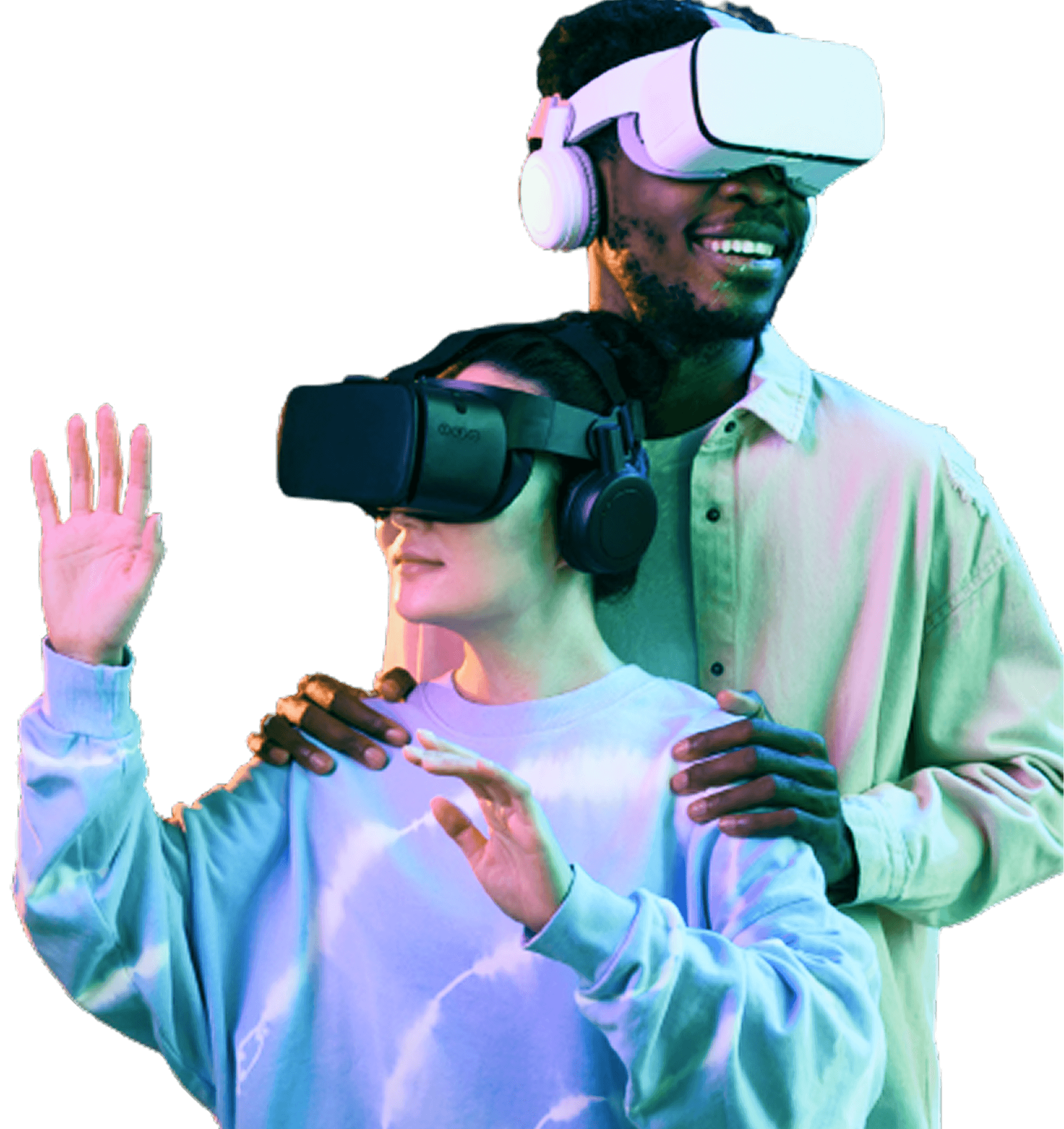
VR is revolutionizing education, entertainment, and social connection. It fuses technology and artistry to create interactive experiences that ignite curiosity and inspire exploration.

Introduction:
Virtual Reality (VR) is reshaping how we perceive and engage with technology. Once a futuristic fantasy, it’s now an accessible medium that connects creativity and innovation. VR places users inside immersive 3D worlds where they can experience, interact, and collaborate like never before. It’s not just about digital escapism — it’s about expanding the human experience.
The Evolution of VR
VR’s journey from experimental labs to consumer headsets tells a story of relentless progress. Early motion sensors have evolved into advanced, lifelike environments used in diverse fields such as training, therapy, and design. This evolution showcases how imagination and innovation continue to redefine the boundaries of what’s possible.
“Great strategies are built on great research — and that’s where you come in.”
How Virtual Reality Works
Virtual Reality combines precise tracking sensors, motion data, and 3D rendering to build an illusion of reality. Headsets detect movement and adjust the visual perspective instantly, while spatial audio adds realism. This synchronization of technology creates the powerful sensation of presence — as if you’re truly inside a virtual world.
Key Benefits:
Immersive Experience: Feel presence like never before through lifelike 3D worlds.
Limitless Learning: Experience education that’s interactive, engaging, and unforgettable.
reative Freedom: Turn imagination into reality inside virtual spaces.
The Impact of VR on Modern Life
Across industries, VR is driving transformation. Learners can step inside historical events, medical professionals can train in realistic simulations, and designers can visualize projects in real scale. By merging creativity and practicality, VR boosts efficiency, understanding, and collaboration like never before.
"Virtual Reality is more than technology — it’s a new language of experience. Our mission is to make that language accessible to everyone, empowering people to learn, create, and connect beyond boundaries."
— Chris Walker, CEO & Co Founder, Vision360
Challenges and Future Possibilities
VR’s journey is ongoing, with obstacles such as high costs, bulky hardware, and motion sickness. Yet, with lighter gear, AI enhancements, and improved visual fidelity, these limitations are fading fast. The next generation of VR aims to make virtual experiences indistinguishable from reality.
Conclusion
Virtual Reality isn’t just about escaping reality — it’s about expanding it. It opens doors to creativity, knowledge, and connection that were once impossible. As we move forward, VR will continue to
redefine how we experience the world, turning imagination into a new form of reality.

VR Footprint
Explore Our Global Presence