Technology

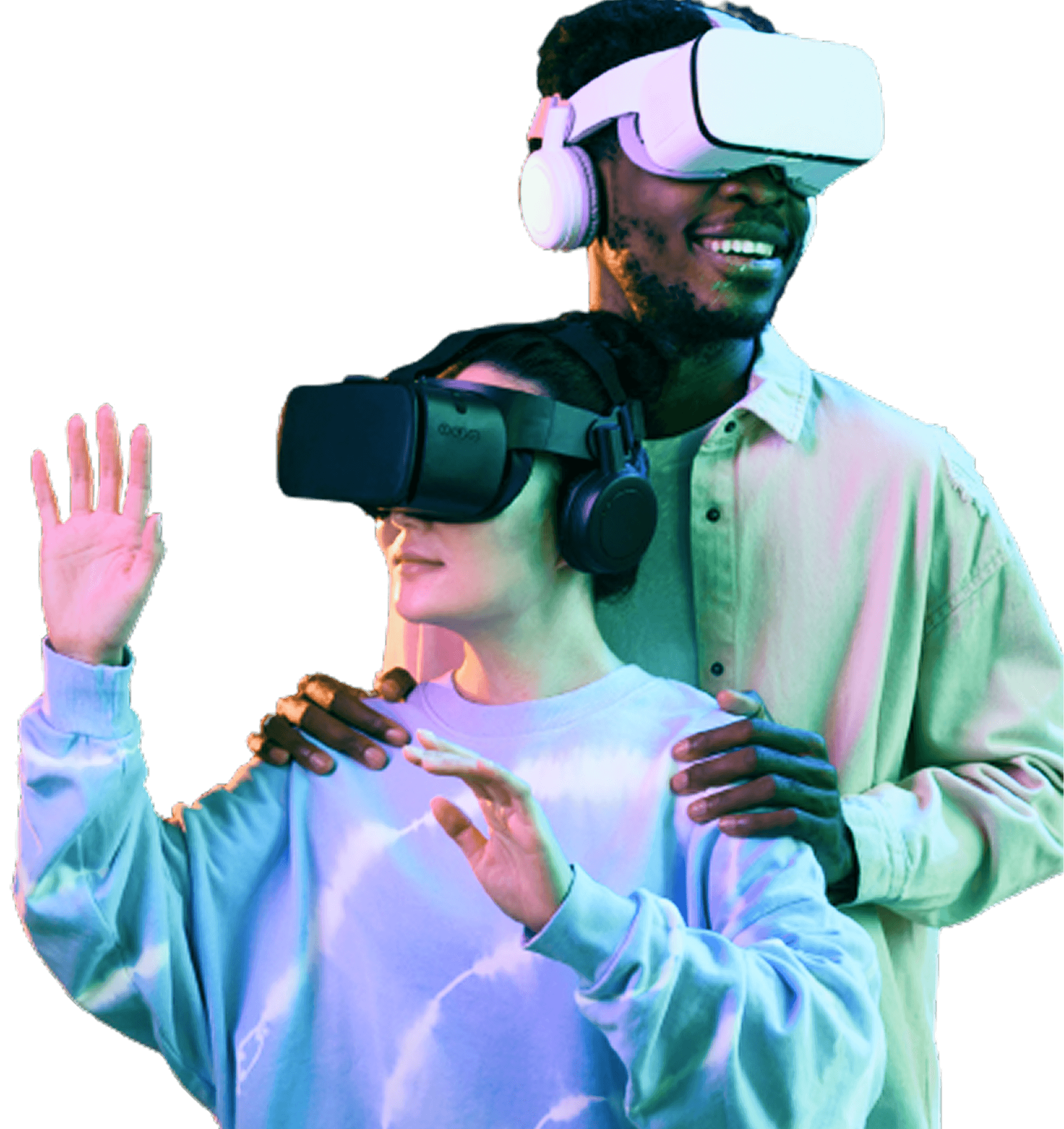
Virtual Reality is transforming the way we learn, play, and interact. By merging innovation with creativity, it opens the door to immersive worlds that spark imagination and endless possibilities.

Introduction:
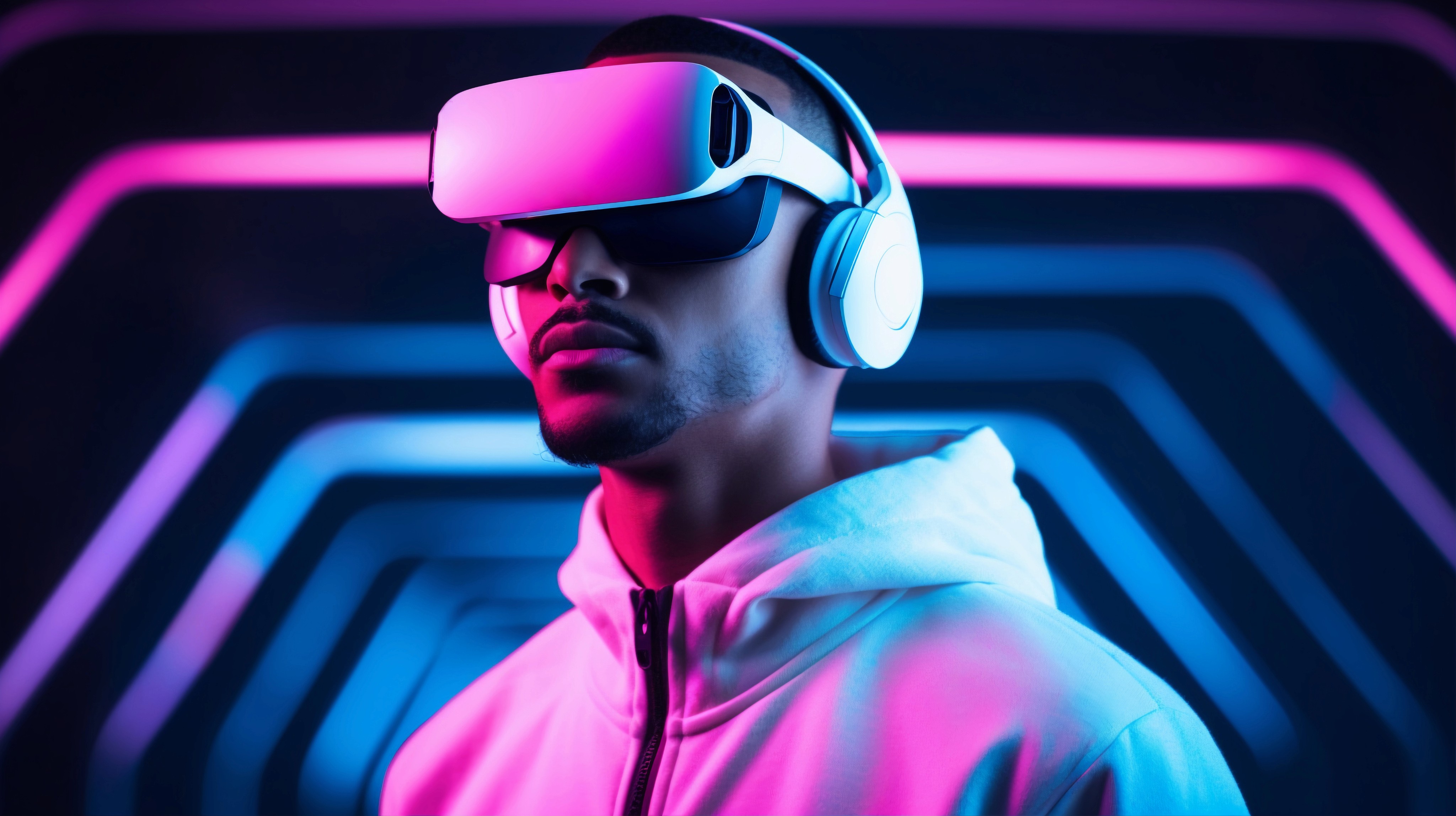
Virtual Reality (VR) is revolutionizing how we experience and engage with digital spaces. Once confined to science fiction, it has become a groundbreaking technology merging creativity and innovation. VR immerses users in interactive 3D worlds where they can explore, design, and communicate without boundaries. It’s more than entertainment — it’s a new frontier of human interaction.
The Evolution of VR
From primitive prototypes to today’s hyper-realistic simulations, VR’s progress has been remarkable. What started as niche experiments in the 90s has grown into a global phenomenon impacting gaming, education, architecture, and medicine. The evolution of VR highlights how technological progress and imagination can reshape how we live and learn.
“Great strategies are built on great research — and that’s where you come in.”
How Virtual Reality Works
At its foundation, VR relies on sensors, tracking devices, and high-speed rendering to recreate realistic environments. Headsets monitor head, hand, and body movements, while advanced software updates visuals in real time. Together, these elements immerse users in digital spaces, convincing the brain it’s experiencing a living, three-dimensional world.
Key Benefits:
Immersive Experience: Feel presence like never before through lifelike 3D worlds.
Limitless Learning: Experience education that’s interactive, engaging, and unforgettable.
reative Freedom: Turn imagination into reality inside virtual spaces.
The Impact of VR on Modern Life
VR is reshaping how we learn, work, and connect. Students can explore scientific concepts hands-on, surgeons can rehearse complex operations, and engineers can test designs before production. It fuels innovation, deepens engagement, and bridges imagination with real-world applications across industries.
"Virtual Reality is more than technology — it’s a new language of experience. Our mission is to make that language accessible to everyone, empowering people to learn, create, and connect beyond boundaries."
— Chris Walker, CEO & Co Founder, Vision360
Challenges and Future Possibilities
While VR’s progress is remarkable, challenges such as affordability, accessibility, and motion sensitivity remain. However, innovations in wireless connectivity, ergonomic design, and AI-driven interactivity promise a future of seamless, immersive experiences. As these advances continue, VR will integrate more naturally into daily life and professional practice.
Conclusion
Virtual Reality isn’t just about escaping reality — it’s about expanding it. It opens doors to creativity, knowledge, and connection that were once impossible. As we move forward, VR will continue to
redefine how we experience the world, turning imagination into a new form of reality.

VR Footprint
Explore Our Global Presence